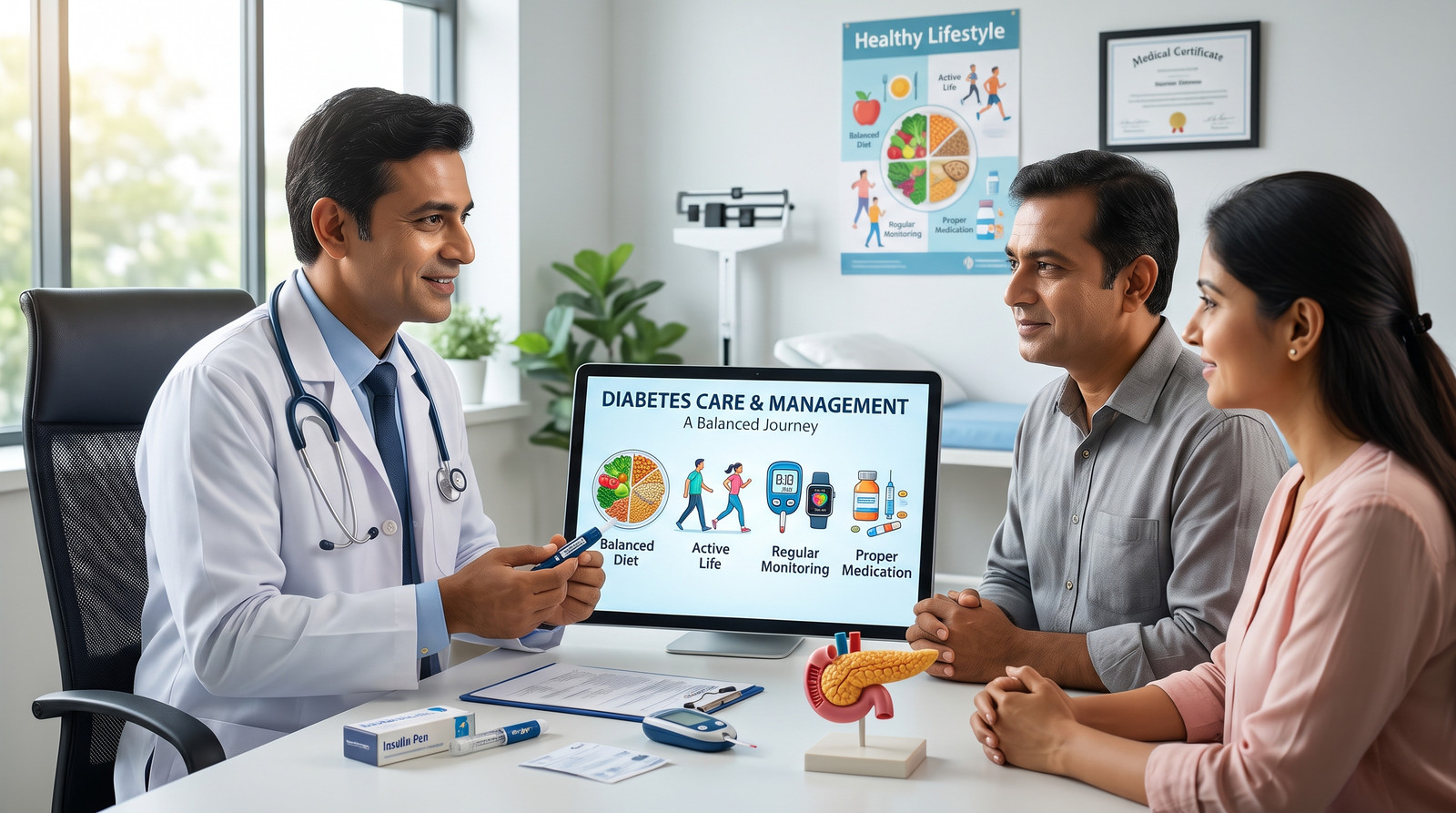
Diabetes Care & Management: Understanding Blood Sugar Control and Healthy Living at Nakshtra Clinic
Diabetes Care & Management: A Complete Guide to Better Health
Diabetes is a common medical condition that affects how the body processes glucose (blood sugar). It develops when the body does not produce enough insulin or cannot use insulin effectively. Without proper management, high blood sugar levels can affect different organs and lead to long-term health complications.
With increasing lifestyle-related health concerns, awareness about diabetes care, early diagnosis and regular monitoring has become more important than ever. Proper medical guidance and healthy daily habits can help individuals manage diabetes and maintain a better quality of life.
At Nakshtra Clinic, Indore, patients can seek medical consultation and guidance for understanding their health concerns and the importance of diabetes management.
Understanding the Different Types of Diabetes
Diabetes is mainly classified into three types:
1. Type 1 Diabetes
Type 1 diabetes is an autoimmune condition in which the immune system attacks the insulin-producing cells of the pancreas. People with this condition require insulin treatment to manage their blood sugar levels.
2. Type 2 Diabetes
Type 2 diabetes occurs when the body becomes resistant to insulin or does not produce enough insulin. It is influenced by several factors, including genetics, lifestyle, physical inactivity and body weight.
3. Gestational Diabetes
Gestational diabetes develops during pregnancy and requires appropriate medical monitoring to maintain the health of both mother and baby.
Early Signs and Symptoms of Diabetes
Recognising the warning signs of diabetes can help individuals seek medical attention at the right time.
Common symptoms include:
-
Frequent urination
-
Excessive thirst
-
Increased hunger
-
Unexplained weight loss
-
Persistent tiredness
-
Blurred vision
-
Slow healing of wounds
-
Tingling or numbness in the hands and feet
-
Frequent infections
Some people with Type 2 diabetes may not experience noticeable symptoms in the early stages. Regular health screening is therefore important.
What Causes Diabetes?
Diabetes can develop due to a combination of genetic, metabolic and lifestyle-related factors.
Some common risk factors include:
-
Family history of diabetes
-
Excess body weight
-
Lack of regular physical activity
-
Unhealthy eating habits
-
Increasing age
-
Insulin resistance
-
History of gestational diabetes
Understanding these risk factors can help individuals make informed decisions about their health.
Why Is Blood Sugar Control Important?
Maintaining blood glucose levels within an appropriate range is essential for preventing diabetes-related complications.
Poorly controlled diabetes may increase the risk of:
-
Heart disease and cardiovascular problems
-
Kidney damage
-
Nerve damage (diabetic neuropathy)
-
Eye complications (diabetic retinopathy)
-
Foot ulcers and infections
Regular medical consultations and timely investigations help monitor overall health and identify potential complications.
7 Essential Ways to Manage Diabetes
1. Follow a Balanced Diet
Include vegetables, whole grains, pulses, fibre-rich foods and suitable protein sources in your daily meals. Reduce sugary beverages and highly processed foods.
2. Stay Physically Active
Regular walking, cycling and other suitable physical activities can improve insulin sensitivity and support blood sugar management.
3. Monitor Blood Sugar Levels
Regular glucose monitoring helps track changes in blood sugar levels and understand how your body responds to meals, exercise and medication.
4. Take Medication as Prescribed
Follow your doctor's instructions regarding medication and insulin. Avoid changing doses or stopping treatment without medical advice.
5. Maintain a Healthy Weight
Maintaining a healthy body weight can improve metabolic health and help manage Type 2 diabetes.
6. Get Enough Sleep
A consistent sleep schedule supports overall well-being and may help improve blood glucose management.
7. Manage Stress
Stress can influence blood sugar levels. Relaxation techniques, breathing exercises and regular physical activity may help support emotional well-being.
Important Tests for Diabetes Monitoring
Regular investigations help doctors evaluate blood sugar control and monitor diabetes-related health risks.
Some commonly recommended tests include:
-
Fasting Blood Sugar (FBS): Measures blood glucose after fasting.
-
Postprandial Blood Sugar (PPBS): Measures blood glucose after a meal.
-
HbA1c Test: Provides an estimate of average blood sugar levels over the previous two to three months.
-
Kidney Function Test: Helps assess kidney health.
-
Lipid Profile: Evaluates cholesterol and triglyceride levels.
The frequency of testing depends on individual health conditions and medical recommendations.
When Should You Seek Medical Consultation?
Do not ignore symptoms such as frequent urination, excessive thirst, unexplained weight changes or persistent fatigue.
You should seek medical advice if:
-
Your blood sugar levels remain consistently high.
-
You experience frequent low blood sugar episodes.
-
You have difficulty managing your diabetes.
-
You notice changes in vision.
-
You experience numbness, pain or wounds in your feet.
Timely medical attention can help identify problems early and support appropriate treatment.
Diabetes Awareness and Medical Guidance at Nakshtra Clinic, Indore
Diabetes care involves understanding the condition, monitoring blood sugar levels and following an appropriate treatment and lifestyle plan.
Nakshtra Clinic, Indore, encourages individuals to take a proactive approach towards their health through medical consultation, health awareness and regular check-ups.
Whether you want to understand diabetes symptoms, learn about blood sugar monitoring or discuss ongoing health concerns, consulting a qualified healthcare professional is an important step.
Conclusion
Diabetes management is a continuous process that requires awareness, consistency and appropriate medical supervision. A balanced diet, regular exercise, prescribed medication and routine health assessments can help individuals manage their condition effectively.
Early diagnosis and timely medical consultation can make a significant difference in reducing the risk of complications.
Take a step towards better health with diabetes awareness and appropriate medical guidance at Nakshtra Clinic, Indore.